
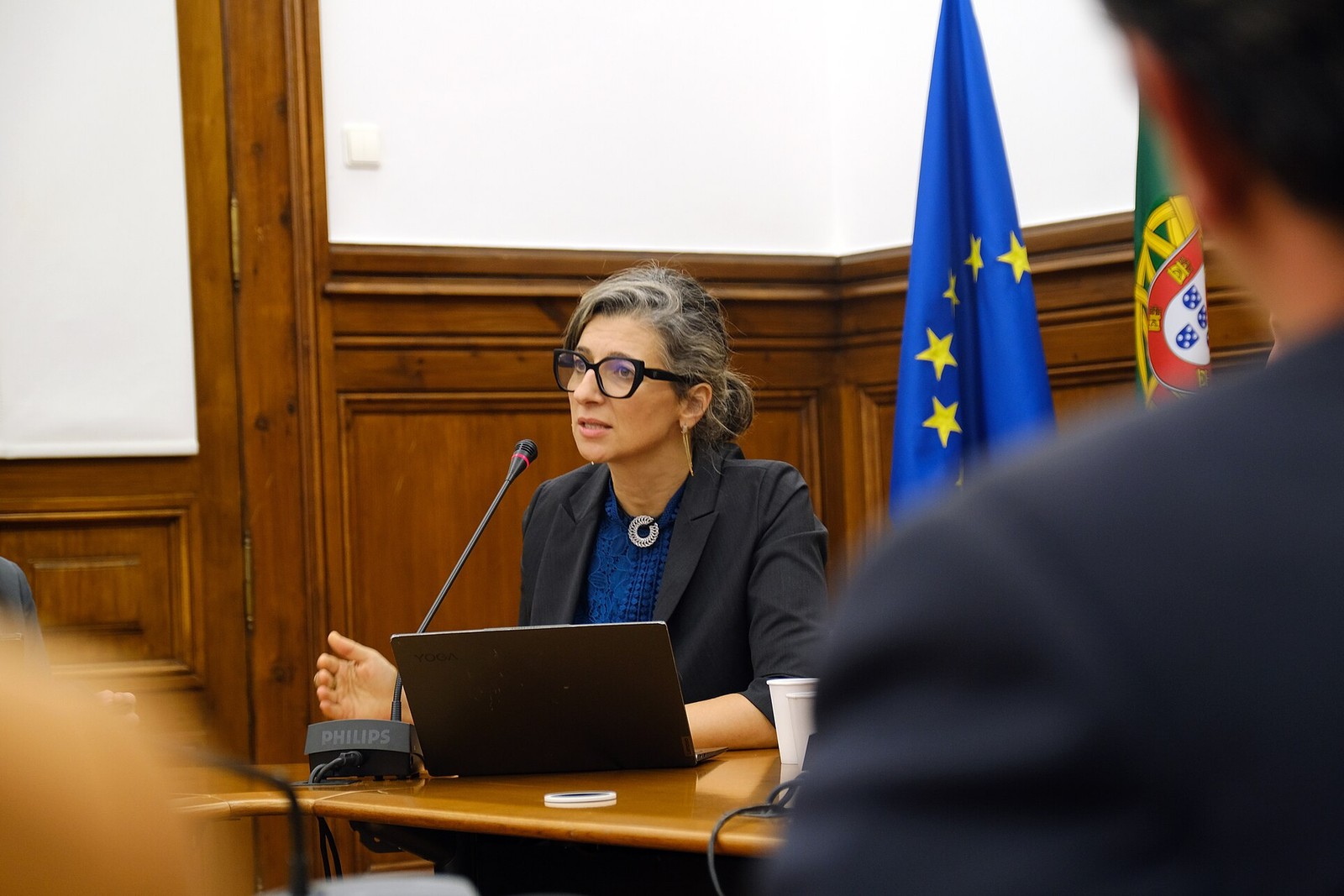
Francesca Albanese, the UN Special Rapporteur on the situation of human rights in the Palestinian territories occupied since 1967, found herself in the crosshairs of the US government in 2024. The stated reason? Sanctions seemingly aimed at undermining her work and silencing her criticism of Israel. But peeling back the layers of this case reveals a far more disturbing picture: a network of financial institutions, powerful individuals, and political maneuvering designed to punish dissent and protect entrenched interests.
The Sanctions and Their Impact
The initial shockwave came in July 2024 when Albanese was placed on the Office of Foreign Assets Control (OFAC) list of the U.S. Treasury Department. This is a designation normally reserved for individuals and entities involved in money laundering or terrorist financing. Chris Hedges pointed out on X that this occurred a mere six days after the release of her report, "From economy." The report’s content, focusing on the economic dimensions of the Israeli occupation, apparently struck a nerve powerful enough to trigger such an extreme response.
The report’s content, focusing on the economic dimensions of the Israeli occupation, apparently struck a nerve powerful enough to trigger such an extreme response.
The consequences were immediate and devastating. Albanese found herself barred from accessing any bank, a crippling blow that effectively shut her out of the global financial system. El País English detailed the complicated life she now leads, a rising figure in Italy rendered financially untouchable by US sanctions. The UN itself acknowledged the severity of the situation. UN experts stated in August 2025 that the US sanctions against Albanese threatened the entire human rights system, chilling the work of independent investigators and undermining the UN's ability to hold powerful actors accountable.
Motives and Timing
But why this level of punitive action against a UN Special Rapporteur? The official justification likely revolves around alleged biases or inaccuracies in her reporting. However, a closer look at the timing and the broader context suggests a more sinister motive: to silence criticism of Israel and protect the financial interests intertwined with the occupation.
Consider the timing of the sanctions. They landed almost immediately after Albanese released her report highlighting the economic benefits Israel derives from the occupation. This report likely exposed uncomfortable truths about the financial underpinnings of the conflict, challenging the narrative that portrays Israel solely as a victim of terrorism. It's a well-worn tactic: attack the messenger to discredit the message, especially when the message threatens lucrative arrangements.
Legal Challenges and Wider Connections
Adding fuel to the fire, Albanese's family launched a lawsuit against the Trump administration in February 2026, challenging the legality and justification for the sanctions. The New York Times and Al Jazeera both reported on this legal battle, highlighting the family's determination to clear Albanese's name and restore her financial access. This lawsuit promises to bring further scrutiny to the decision-making process behind the sanctions and the motivations of those who pushed for them.
But the story doesn't end with the sanctions themselves. It extends into the murky world of high finance and the individuals who have benefited from the status quo. The name Jeffrey Epstein surfaces, an unexpected but telling connection. The Guardian reported in November 2025 that US regulators were "taking seriously" allegations of bankers’ support for Epstein. This investigation, coupled with newly unsealed records detailing Epstein's financial transactions with Wall Street figures (as reported by CNN in October 2025), reveals a network of powerful individuals who operated with impunity for years.
What does Epstein have to do with Albanese? The connection isn’t direct, but it points to a system of influence and impunity that allows powerful figures to manipulate institutions for their own benefit. Al Jazeera documented in February 2026 how banks and billionaires aided Epstein even after his 2008 conviction. This demonstrates a pattern of protecting individuals, regardless of their alleged crimes, when their connections and financial contributions are deemed valuable.
Francesca Albanese herself touched upon this pervasive issue in an interview with Zeteo in February 2026, discussing Israel, Epstein, and what she called the 'orgy of power.' Her willingness to speak candidly about the interconnectedness of power, finance, and political influence likely made her a target. It's a dangerous game to expose the inner workings of a system that thrives on secrecy and thrives on control.
It's a dangerous game to expose the inner workings of a system that thrives on secrecy and thrives on control.
Conclusion
The “innocent explanation” for Albanese’s sanctions would be that she was legitimately deemed a threat to national security or involved in illicit financial activities. However, this explanation falls apart under scrutiny. OFAC designations are rarely, if ever, applied to UN Special Rapporteurs for simply expressing critical opinions. The timing, the severity of the sanctions, and the context of her reporting all point to a targeted effort to silence dissent and protect powerful interests.
The Albanese case is a stark reminder that the fight for human rights is often a fight against powerful financial interests. It exposes the vulnerability of independent investigators and the willingness of governments to weaponize financial institutions to silence critics. The real scandal isn't just the sanctions themselves, but the network of influence and impunity that allowed them to happen in the first place. It is a battle between transparency and secrecy, between accountability and unchecked power. And the stakes are incredibly high.

Founder and Editor in Chief of The Irish Bugle.