
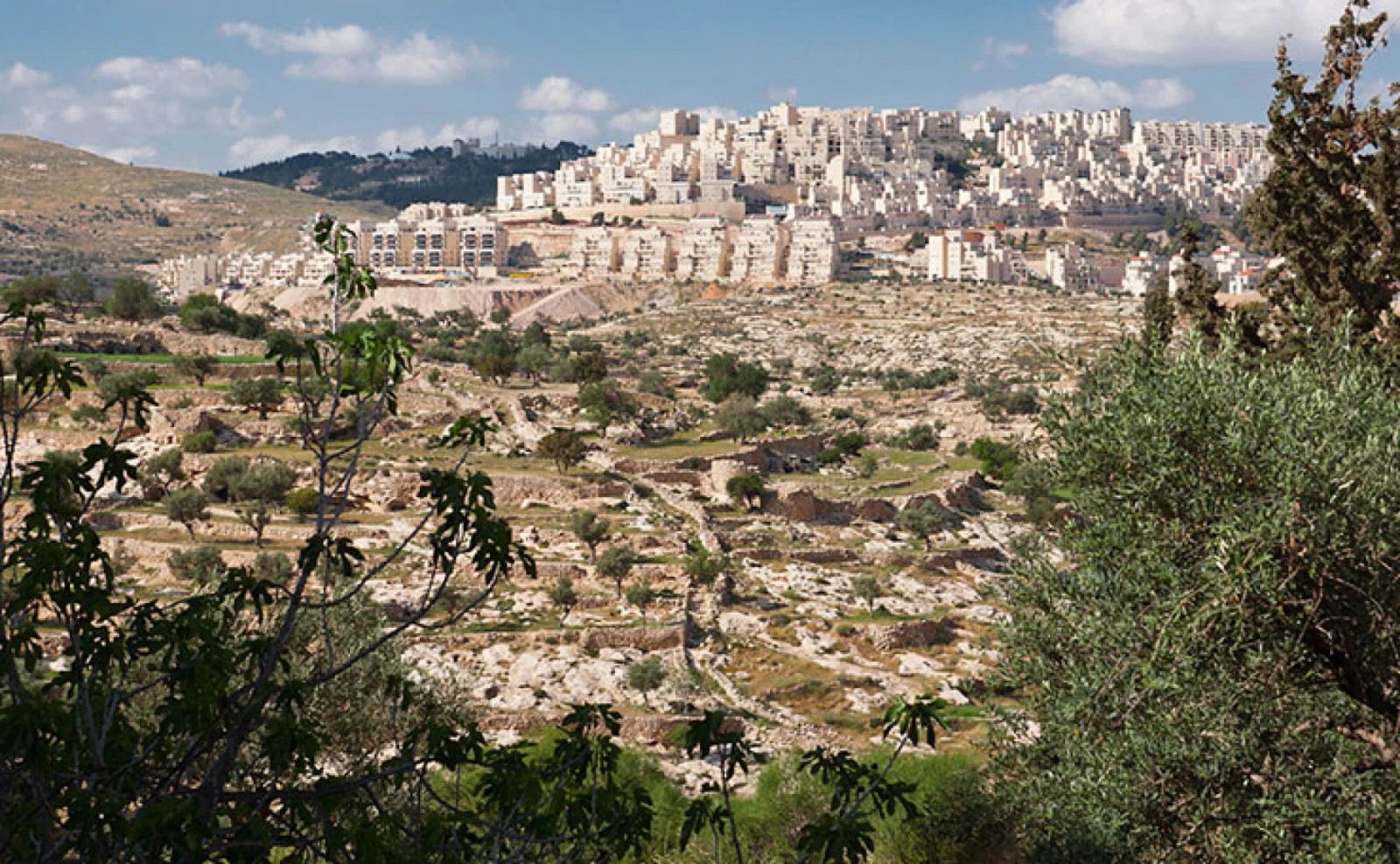
The sun-drenched hills of the West Bank, rich in history and culture, are increasingly marketed as a destination. But behind the glossy brochures and enticing online listings lies a troubling reality: major tourism platforms like Airbnb and Booking.com are accused of profiting from Israeli settlements deemed illegal under international law. This fuels an economy built on occupation, displacing Palestinians and undermining their claims to land and self-determination.
The United Nations has identified over 150 companies with ties to these settlements, further highlighting the scale of the issue. Critics argue that by listing properties in settlements, these platforms normalize and legitimize their existence, directly contributing to the economic viability of what many view as stolen Palestinian land. Francesca Albanese, UN Special Rapporteur, is among those actively boycotting these platforms, urging others to do the same.
by listing properties in illegal Israeli settlements, booking.com and airbnb normalize and legitimize their existence, directly contributing to the economic viability of the continuing occupation of stolen Palestinian land.
Empowering Palestinians Through Ethical Tourism
But boycotts, while impactful, are only one piece of a much larger puzzle. What if we could shift the narrative, creating a tourism model that empowers Palestinians instead of contributing to their dispossession? The answer lies in actively supporting Palestinian-owned businesses and promoting tourism that directly benefits local communities. This means seeking out Palestinian guesthouses, restaurants, and tour operators, ensuring that tourist dollars flow directly into the Palestinian economy.
One potential model lies in replicating the success of community-based tourism initiatives seen in other conflict zones. In post-conflict Colombia, for example, rural communities have developed tourism offerings that showcase their resilience and cultural heritage, generating income and fostering reconciliation. Could similar programs be implemented in Palestine, offering tourists authentic experiences while simultaneously supporting Palestinian livelihoods? This might involve developing hiking trails that pass through Palestinian villages, offering cooking classes that showcase traditional Palestinian cuisine, or providing homestays with Palestinian families.
Navigating Challenges and Promoting Solidarity
The challenge, of course, is navigating the complex political landscape. Israeli restrictions on movement and construction often hinder Palestinian economic development, making it difficult for Palestinian businesses to compete. Moreover, some argue that even visiting Palestinian areas normalizes the occupation. However, proponents of ethical tourism maintain that engaging directly with Palestinian communities, listening to their stories, and supporting their businesses is a powerful form of solidarity.
Concrete Steps Towards Ethical Tourism
To facilitate this shift, several concrete steps can be taken. Firstly, travel platforms need to be pressured to adopt ethical listing policies, clearly identifying properties located in settlements and offering prominent alternatives in Palestinian-owned establishments. Secondly, tourists must be educated about the ethical implications of their travel choices and provided with resources to make informed decisions. Organizations like the Palestine Sunbird Tourism Association work to promote sustainable tourism, connecting travelers with local communities and businesses.
Thirdly, international development agencies can play a vital role by investing in Palestinian tourism infrastructure and providing training and support to Palestinian entrepreneurs. This could involve funding the development of new guesthouses, supporting the creation of new tour offerings, or providing access to micro-loans for small businesses.
This is not a quick fix, but a long-term strategy that requires sustained effort from travelers, businesses, and policymakers alike. The goal is not simply to boycott companies profiting from the occupation, but to actively build a more just and equitable tourism industry that empowers Palestinians and supports their right to self-determination. It's time to demand transparency from booking platforms and consciously choose to spend our money in ways that uplift, rather than oppress. Consider contacting Airbnb and Booking.com, demanding they delist settlement properties and invest in Palestinian-owned tourism. Support organizations working on the ground to promote ethical travel. The future of Palestinian tourism depends on it.

Founder and Editor in Chief of The Irish Bugle.