
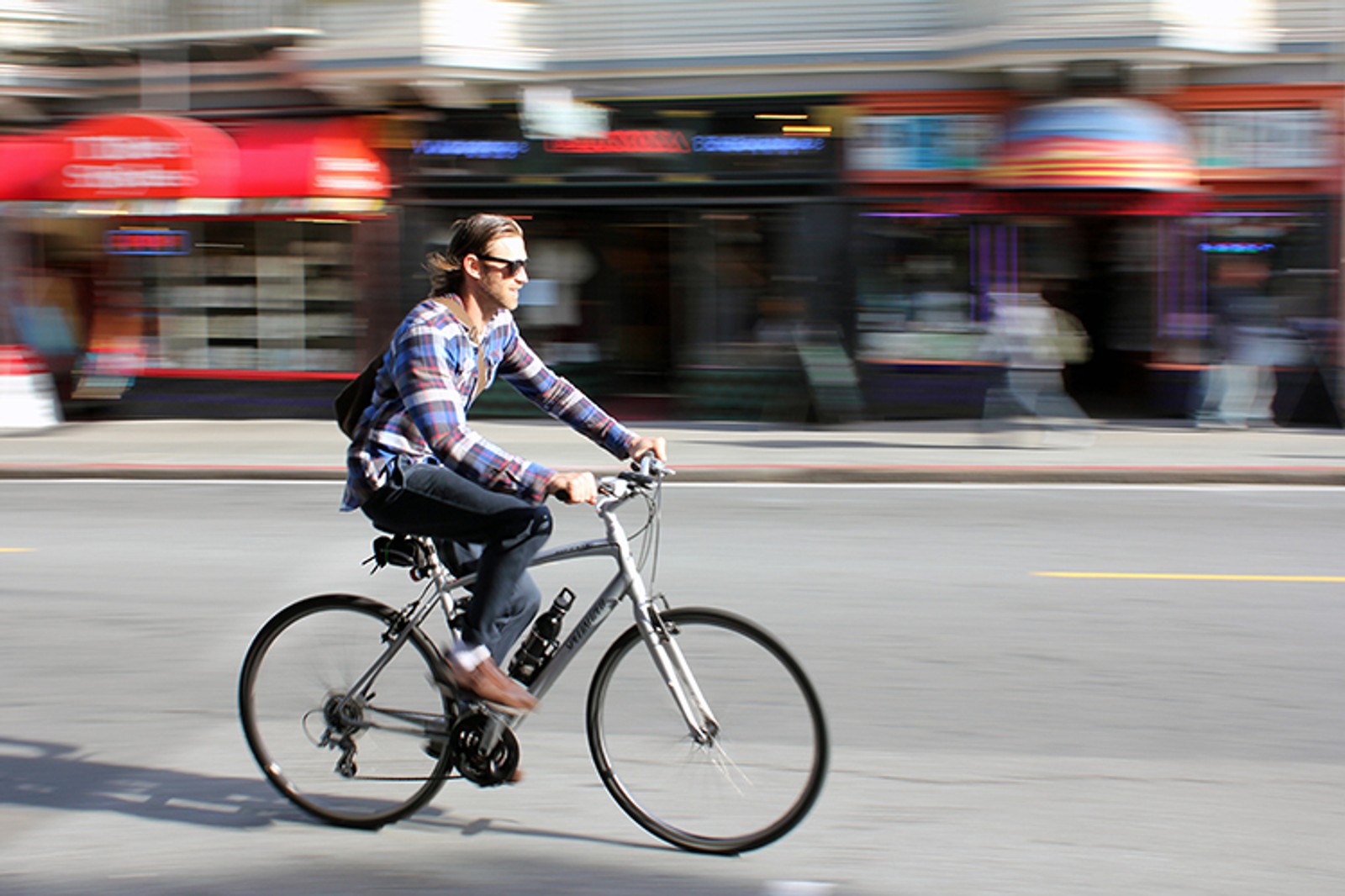
Think about your daily commute. The stress, the traffic, the cost of petrol or parking. Now imagine a city where more and more people are choosing a different path; walking, cycling, or using mobility devices to get around. In Dublin, this isn't a dream; it's a growing reality. Over 500,000 journeys in the capital are now made each day without a car, and it's changing the city, one step and pedal stroke at a time.
What's Driving the Shift?
What's driving this shift? For many, it's about the cost. "Filling up the car every week was killing me," says Sarah, a Dublin mother who recently started cycling her kids to school. "Now, I'm saving money, getting exercise, and spending more time with my children. It's a win-win."
"Filling up the car every week was killing me... Now, I'm saving money, getting exercise, and spending more time with my children. It's a win-win."
And it's not just about saving money. Many Dubliners want to improve their health and reduce their carbon footprint. The rise in active travel is connected to a growing awareness of the environmental impact of cars and the health benefits of physical activity. Plus, let's be honest, sometimes it's just faster to cycle than sit in gridlock.
Data and Infrastructure
The Dublin City Council has been gathering data about this trend. The numbers show a clear increase in walking and cycling, particularly for commuting. In fact, cycling for commuting has risen by 50%, proving that Dubliners are embracing this alternative, and a majority of residents support the creation of more bike lanes.
increase in cycling for commuting
Of course, this change isn't happening in a vacuum. The city has been investing in infrastructure to support active travel. Think wider footpaths, protected cycle lanes, and improved crossings. These changes make it safer and easier for people to choose walking, cycling, or wheeling. The National Transport Authority is involved in these developments too, working to make the Dublin Metropolitan Region more accessible for everyone.
Challenges and Mindset Shifts
But there are still challenges. "Some roads feel really dangerous," says Mark, a Dublin resident who cycles to work. "We need more protected cycle lanes to feel safe, especially with kids around." Concerns about safety are a major barrier for some people, highlighting the need for continued investment in infrastructure.
"Some roads feel really dangerous... We need more protected cycle lanes to feel safe, especially with kids around."
It’s also about changing mindsets. For decades, Dublin was designed around the car. Shifting to a city that prioritizes people requires a fundamental rethinking of how streets are designed and used. That means making tough choices about road space and parking.
A Sustainable Future
The rise of active travel in Dublin isn't just a statistic; it's a story about people taking control of their lives, saving money, getting healthier, and creating a more sustainable city. It's a quiet revolution, powered by feet, wheels, and a growing desire for a better way to get around. And with continued investment and support, Dublin could become a role model for other cities looking to put people first.

Founder and Editor in Chief of The Irish Bugle.