The Swift & Suspicious Deal
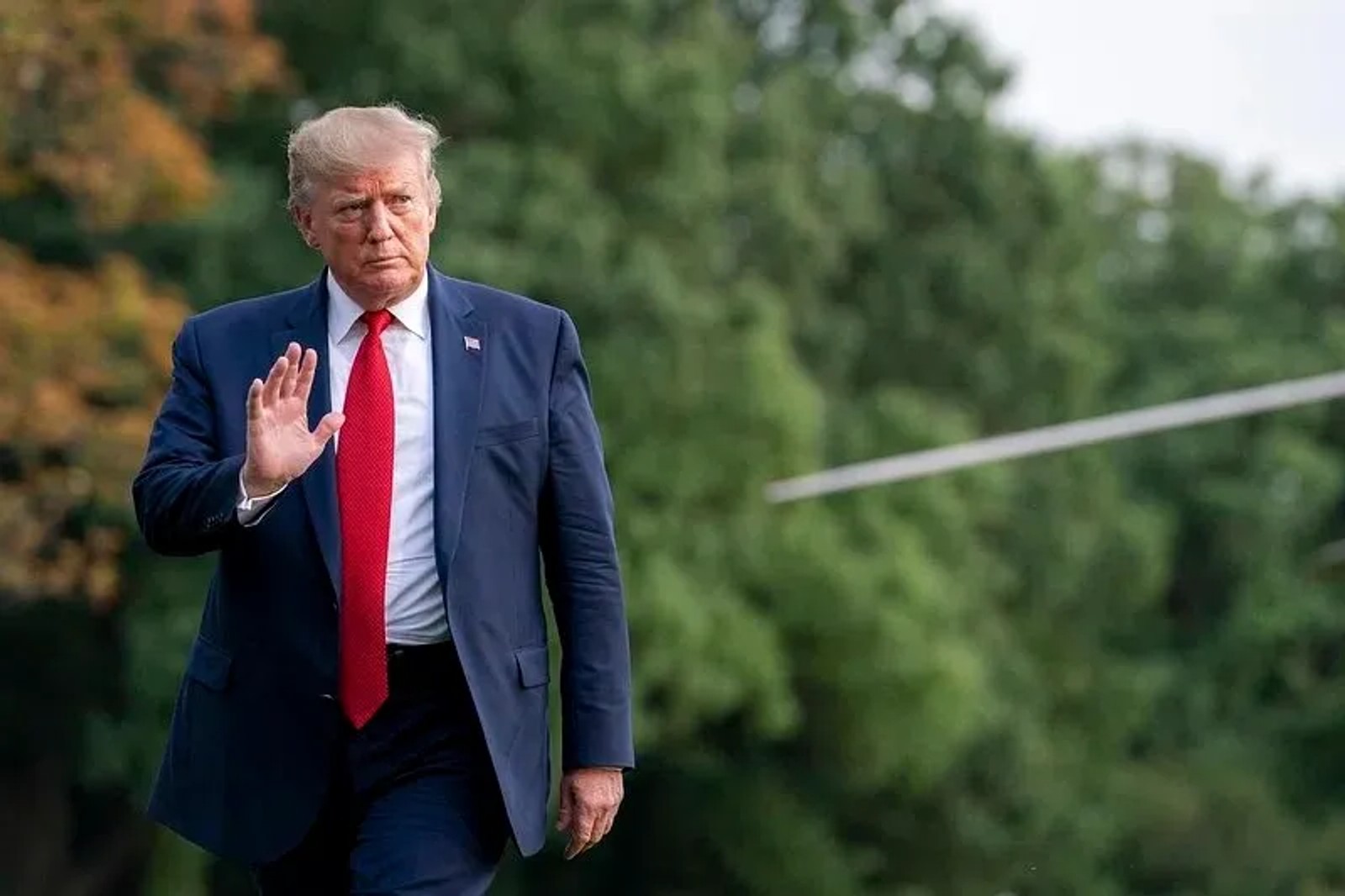
The '2026 deal' has landed, heralded by the architects of global power as a landmark achievement. Yet, scratch beneath the veneer of official pronouncements, and the familiar stench of cynical geopolitics rises. This isn't just another diplomatic agreement; it’s a calculated manoeuvre in a long-standing conflict, whose foundations were dramatically destabilised during Donald Trump’s presidency. Remember, it was under Trump’s erratic command that the US exited the Joint Comprehensive Plan of Action (JCPOA), tearing up a painstakingly crafted nuclear accord and plunging US-Iran ties into a new abyss of hostility. Now, with dizzying speed, a new détente has been declared: announced on June 15, 2026, and taking effect a mere three days later on June 18, 2026. This lightning-fast implementation signals not just a shift, but a seismic jolt in international relations, demanding we ask: is this genuine peace, or merely a strategic repositioning of the chess pieces on a blood-soaked board?
Rapid Deal Implementation
Deal Announced
The '2026 deal' between the US and Iran is officially declared.
Deal Takes Effect
The agreement is implemented just three days after its announcement, signaling a lightning-fast shift.
is this genuine peace, or merely a strategic repositioning of the chess pieces on a blood-soaked board?
Market Reactions & Financial Windfall
The ink on the '2026 deal' was barely dry before the markets began their predictable gyrations. Futures markets, ever the canary in the coal mine for capital’s anxieties and aspirations, rallied hard. Simultaneously, oil prices slid, a direct consequence of perceived de-escalation and potential supply changes. For the titans of finance, this wasn’t a moment for quiet reflection on human suffering averted; it was an immediate opportunity to exploit volatility. The question is, who engineered this timing, this immediate financial windfall for the few, and at what real cost to the many? The beneficiaries of these market shifts rarely align with the ordinary people who bear the brunt of geopolitical tensions.
For the titans of finance, this wasn’t a moment for quiet reflection on human suffering averted; it was an immediate opportunity to exploit volatility.
The Ghost of JCPOA: Trump's Legacy
To understand the '2026 deal', we must confront the bitter legacy of its predecessor’s collapse. US-Iran ties had soured dramatically under Donald Trump, whose unilateral withdrawal from the JCPOA wasn't just a policy change; it was a belligerent act that exacerbated regional instability and tightened the screws on the Iranian populace. That decision, driven by a cocktail of neo-conservative ideology and a desire to dismantle Obama-era achievements, plunged the relationship into outright hostility. To now present the '2026 deal' as a sudden, benevolent pivot towards peace without acknowledging the architects of the previous escalation is a historical whitewash. It’s imperative we remember who broke the crockery before we applaud them for gluing a few shards back together.
It’s imperative we remember who broke the crockery before we applaud them for gluing a few shards back together.
A Chess Move, Not an Olive Branch
This rapid-fire 'peace' agreement, therefore, feels less like a genuine olive branch and more like a calculated geopolitical chess move. What deeper machinations are at play when a hostile relationship, forged over decades and intensified by recent unilateral aggression, suddenly finds resolution in a matter of days? Is this about de-escalation for its own sake, or does it serve a larger agenda? Perhaps the architects of this deal have recognised that perpetual conflict, while profitable for some, was no longer serving the broader strategic interests of global capital or regional hegemony. This swift pivot could be about re-calibrating power, freeing up resources, or re-directing attention towards new theatres of control, all under the guise of stability. It’s a move designed to manage risk for the powerful, not necessarily to dismantle the systems that create conflict in the first place.
It’s a move designed to manage risk for the powerful, not necessarily to dismantle the systems that create conflict in the first place.
Systemic Flaws Remain Unaddressed
Those who peddle the narrative of a 'true shift in power' ignore the fundamental dynamics that underpin US-Iran relations. This isn't a sudden embrace of mutual respect; it’s a temporary cessation of hostilities dictated by shifting tactical needs. The structural imbalances, the corporate interests, and the ideological clashes that fueled the conflict for so long haven't magically evaporated. The '2026 deal' might halt the bombs, but it does little to address the systemic exploitation and power imbalances that drive nations to the brink. It’s a band-aid on a gaping wound, applied by the very hands that inflicted the injury, and we must remain relentlessly sceptical of its true intentions. We owe it to the ordinary people caught in the crossfire to demand more than a temporary reprieve for geopolitical convenience.
It’s a band-aid on a gaping wound, applied by the very hands that inflicted the injury, and we must remain relentlessly sceptical of its true intentions.
Conclusion: Demand Scrutiny, Resist Complacency
So, as the headlines trumpet 'peace' and the markets gorge themselves, we must stand vigilant. Is the '2026 deal' a genuine turning point, or merely a tactical retreat before the next offensive? The evidence points to the latter. This agreement, rapidly brokered and immediately impacting global finance, is a stark reminder that international relations are often less about diplomacy and more about the brutal calculus of power. Our task is not to celebrate this new arrangement uncritically, but to dissect its every clause, to question every motivation, and to expose the hands that truly benefit. Because until the fundamental drivers of conflict – corporate greed, imperial ambition, and political doublespeak – are dismantled, any 'peace' deal remains a fragile, temporary truce, demanding our constant scrutiny and unwavering resistance.

Founder and Editor in Chief of The Irish Bugle.