
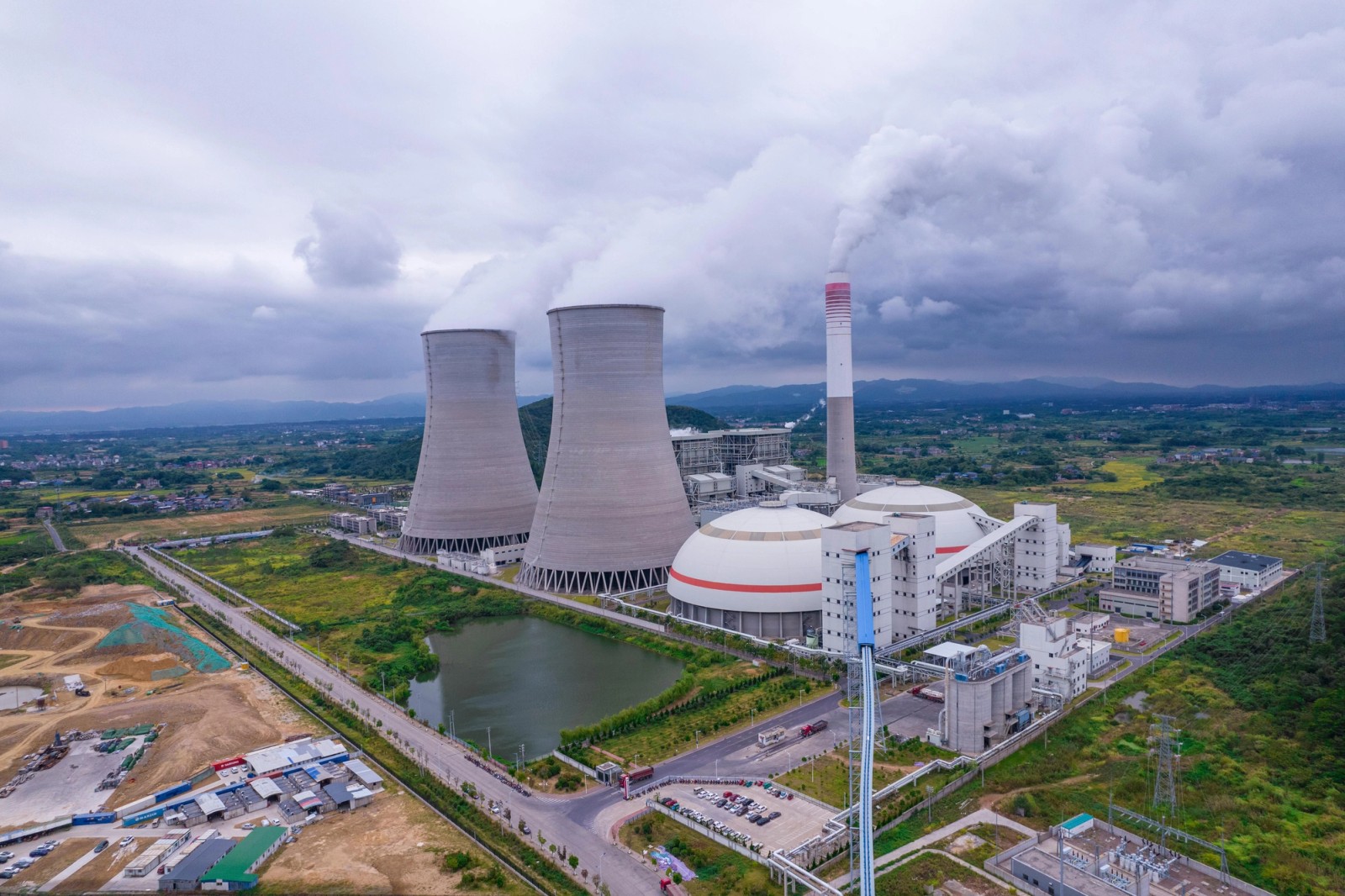
Ireland faces a stark energy reality. While the nation strives to meet ambitious climate goals, its dependence on fossil fuels continues to exert a heavy toll, both economically and environmentally. The price we pay for energy impacts everything from household budgets to national competitiveness, and as highlighted in recent reports, Ireland could find itself in a "decisively disadvantageous" position if innovative energy solutions are not seriously considered. The podcast, 'The real cost of Ireland's fossil fuels' underscored this concern, emphasizing the urgent need for a diversified and sustainable energy portfolio. But what viable alternatives exist, and why is one particular option – nuclear power – consistently met with resistance despite its potential benefits?
The Nuclear Aversion
The crux of the problem lies in Ireland’s historical aversion to nuclear energy. A long-standing ban, deeply rooted in public perception and political apprehension, has effectively shut the door on a technology that could significantly reduce our carbon footprint and enhance energy security. The reasons for this aversion are complex, ranging from concerns about safety and waste disposal to a general distrust of large-scale technological projects. Academic research into Irish media coverage reveals that nuclear power is often framed negatively, fueling public anxiety and hindering informed discussion. This negative framing makes it difficult to have an open and honest conversation about the potential role of nuclear energy in Ireland's future.
nuclear power is often framed negatively, fueling public anxiety and hindering informed discussion.
Small Modular Reactors (SMRs): A Potential Solution?
However, a growing chorus of voices is now urging the government to reconsider its stance. Proponents argue that advancements in nuclear technology, particularly Small Modular Reactors (SMRs), offer a safer, more efficient, and more cost-effective alternative to traditional nuclear power plants. SMRs, as their name suggests, are smaller in scale, allowing for greater flexibility in deployment and reducing the overall risk associated with nuclear energy. They can be manufactured in factories and transported to sites, minimizing on-site construction time and costs. Furthermore, many SMR designs incorporate passive safety features, which rely on natural forces like gravity and convection to prevent accidents, rather than active systems that require human intervention or external power sources.
The Economic Case
The economic argument for nuclear power is also compelling. While the initial investment costs can be significant, nuclear power plants have low operating costs and long lifespans, making them a potentially cheaper source of electricity in the long run. The volatility of fossil fuel prices, exacerbated by geopolitical instability, highlights the need for a more stable and predictable energy source. Nuclear power, with its relatively stable fuel costs, could provide a hedge against price spikes and enhance Ireland's energy independence. Organizations like 'New Nuclear for Ireland' actively champion this perspective, arguing that nuclear energy is not just an environmental imperative, but an economic one as well.
nuclear energy is not just an environmental imperative, but an economic one as well.
Addressing the Challenges
Of course, the challenges associated with nuclear power are real and must be addressed transparently. The issue of nuclear waste disposal remains a major concern, although advancements in waste management technologies, such as reprocessing and geological storage, offer promising solutions. Reprocessing involves separating the usable materials from spent nuclear fuel, reducing the volume of waste and extracting valuable resources. Geological storage involves burying the waste deep underground in stable geological formations, where it can safely decay over thousands of years. While these technologies are not without their own challenges, they offer a viable path towards responsible waste management.
Another key objection to nuclear power is the perceived risk of accidents. The Chernobyl and Fukushima disasters understandably heightened public anxiety about nuclear safety. However, it is crucial to recognize that nuclear technology has advanced significantly since those events. Modern nuclear reactors are designed with multiple layers of safety features to prevent accidents and mitigate their consequences. The implementation of rigorous safety regulations and independent oversight is also essential to ensure the safe operation of nuclear power plants.
Learning from Others
So, what can Ireland learn from other countries? Several nations, including France, Sweden, and South Korea, have successfully incorporated nuclear power into their energy mix, achieving significant reductions in carbon emissions and enhancing energy security. France, for example, generates over 70% of its electricity from nuclear power, making it one of the world's leading nuclear energy producers. These countries have demonstrated that nuclear power can be a safe, reliable, and cost-effective source of electricity when properly managed.
of electricity in France generated from nuclear power
A Path Forward
But embracing nuclear power is not a magic bullet. It requires a comprehensive and well-planned strategy, including public consultation, regulatory reform, and investment in infrastructure. It also requires a shift in public perception, based on facts and evidence, rather than fear and misinformation. This is where constructive journalism and open dialogue play a crucial role.
One concrete step Ireland can take is to conduct a thorough and independent assessment of the potential benefits and risks of nuclear power. This assessment should involve experts from various fields, including engineering, economics, and environmental science. It should also include extensive public consultation to address concerns and gather feedback. The government should also consider investing in research and development of advanced nuclear technologies, such as SMRs and fusion energy, to ensure that Ireland remains at the forefront of energy innovation.
Beyond government action, individual citizens can play a role in shaping the future of Ireland's energy policy. Educate yourself on the facts about nuclear power, engage in informed discussions with your friends and family, and contact your elected officials to express your views. Support organizations that are working to promote sustainable energy solutions and advocate for policies that will reduce Ireland's dependence on fossil fuels. Websites like Reddit can be a platform for informed discussion, but it's important to be discerning and rely on reputable sources of information.
The transition to a sustainable energy future will not be easy, but it is essential for the well-being of our planet and the prosperity of our nation. Embracing nuclear power, alongside other renewable energy sources, could be a crucial step towards achieving our climate goals and securing a brighter future for generations to come. The time for decisive action is now. We must move beyond the entrenched positions of the past and embrace a more pragmatic and evidence-based approach to energy policy. Only then can we ensure that Ireland remains competitive and sustainable in a rapidly changing world.

Founder and Editor in Chief of The Irish Bugle.