
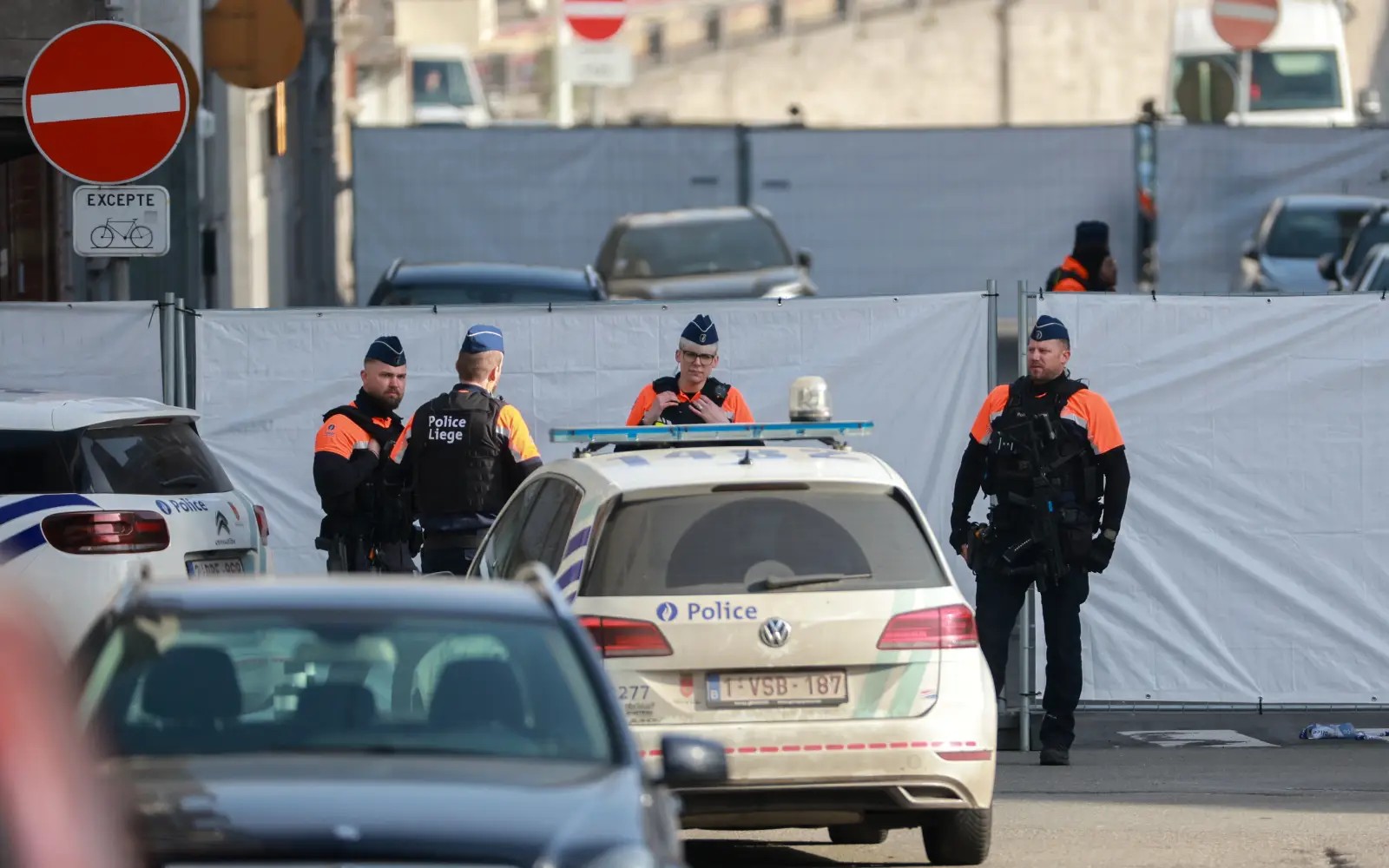
A blast ripped through the heart of Liège, Belgium, on March 9th, leaving more than shattered glass and crumbled brick in its wake. It left a community shaken, a nation grappling with its conscience, and a continent staring down the barrel of a resurgent antisemitism it seems tragically ill-equipped to confront. The target? A synagogue, defiled by what authorities are calling a deliberate act of hatred. While thankfully no one was injured, the psychological wound cuts deep, exposing the fragility of Jewish life in Europe today.
The explosion, detonated in front of the synagogue according to early reports, has ignited a firestorm of condemnation. The Mayor of Liège didn't mince words, branding the event a “‘Violent act of antisemitism’,” a stark acknowledgement of the malevolent intent behind the attack. His assessment was swiftly echoed at the highest levels of Belgian government, with the Belgian Prime Minister denouncing the act as antisemitic. But words, however strong, ring hollow against the backdrop of escalating threats and violence targeting Jewish communities across the continent.
‘Violent act of antisemitism’
This isn't an isolated incident; it's a symptom of a deeper malaise. Across Europe, from the desecration of Jewish cemeteries to the surge in online hate speech, the spectre of antisemitism is rearing its ugly head once more. What starts as hateful rhetoric often metastasizes into acts of violence, a chilling reminder of history's darkest chapters. The question that hangs heavy in the air is: are European leaders truly prepared to confront this menace, or are they content to offer platitudes while Jewish communities live in fear?
The investigation is underway, but the act itself speaks volumes. It's a message scrawled in shrapnel and fear, a declaration that Jewish people are not welcome, that their places of worship are not sacred, that their very existence is under threat. It's a message that demands more than just condemnation; it demands a fundamental shift in attitudes, a dismantling of the structures that allow antisemitism to fester, and a genuine commitment to protecting Jewish life.
But what does that commitment look like in practice? It certainly involves robust law enforcement, ensuring that those who perpetrate hate crimes are brought to justice. It requires investing in education, challenging the stereotypes and prejudices that fuel antisemitism from an early age. But more fundamentally, it demands a willingness to confront uncomfortable truths about Europe's past and present. The echoes of the Holocaust still reverberate through the continent, a constant reminder of the catastrophic consequences of unchecked hatred. Yet, too often, these lessons are conveniently forgotten or conveniently distorted to fit political agendas.
One cannot ignore the context in which this attack occurred. The rise of far-right movements across Europe, emboldened by populist rhetoric and fueled by economic anxieties, has created a climate in which antisemitism can thrive. These movements often traffic in conspiracy theories and scapegoating, targeting Jewish people and other minority groups as convenient scapegoats for society's ills. While not every member of these movements is overtly antisemitic, their rhetoric often normalizes hateful ideas, creating a breeding ground for violence.
Moreover, the ongoing conflict in the Middle East has been cynically exploited to justify antisemitism. While criticism of Israeli government policies is legitimate, it often crosses the line into demonization of Jewish people as a whole. The conflation of anti-Zionism with antisemitism is a dangerous tactic, used to silence dissenting voices and deflect attention from the real issues at stake. It's a tactic that has been deployed with alarming frequency in recent years, contributing to the normalization of antisemitic tropes and conspiracy theories.
What's particularly galling is the selective outrage that often greets these attacks. While politicians are quick to issue statements of condemnation, their actions often fall short of their rhetoric. Funding for security measures to protect Jewish institutions is often inadequate, and hate crime laws are not always effectively enforced. Moreover, there is a reluctance to confront the root causes of antisemitism, to challenge the underlying prejudices and stereotypes that perpetuate hatred.
The silence of many is deafening. The lukewarm response from some corners of society sends a clear message to antisemites: that their actions will not be met with widespread condemnation, that they can operate with impunity. This silence is complicity, a betrayal of the values of tolerance and inclusivity that Europe claims to uphold.
It's time for European leaders to stop paying lip service to the fight against antisemitism and start taking concrete action. This means investing in education, strengthening law enforcement, and confronting the root causes of hatred. It means challenging the far-right movements that are fueling antisemitism and holding them accountable for their rhetoric. It means standing in solidarity with Jewish communities and ensuring that they feel safe and protected.
But ultimately, the fight against antisemitism is not just the responsibility of political leaders. It's the responsibility of every single person on this continent. We all have a role to play in challenging prejudice, speaking out against hatred, and creating a society in which Jewish people can live without fear. This means challenging antisemitic jokes and stereotypes, calling out hateful rhetoric online, and supporting organizations that are working to combat antisemitism. It means educating ourselves about the history of antisemitism and understanding how it manifests itself in the present day.
The bombing of the Liège synagogue is a wake-up call, a stark reminder of the dangers of complacency. It's a test of Europe's commitment to its own values, a challenge to its conscience. The world is watching to see how Europe responds. Will it rise to the occasion and confront this menace head-on, or will it allow antisemitism to fester and spread, casting a long shadow over the continent once more? The answer will determine not only the future of Jewish life in Europe, but the future of Europe itself.
This attack isn't just about bricks and mortar; it's about the soul of Europe. It's a challenge to the very foundations of a continent that claims to champion human rights and equality. The response to this attack will determine whether those claims are genuine or merely empty rhetoric. The time for words is over. The time for action is now. The fight against antisemitism is a fight for the soul of Europe, a fight that we cannot afford to lose. And until Europe truly confronts its demons, the silence will continue to ring louder than any bomb.

Founder and Editor in Chief of The Irish Bugle.