
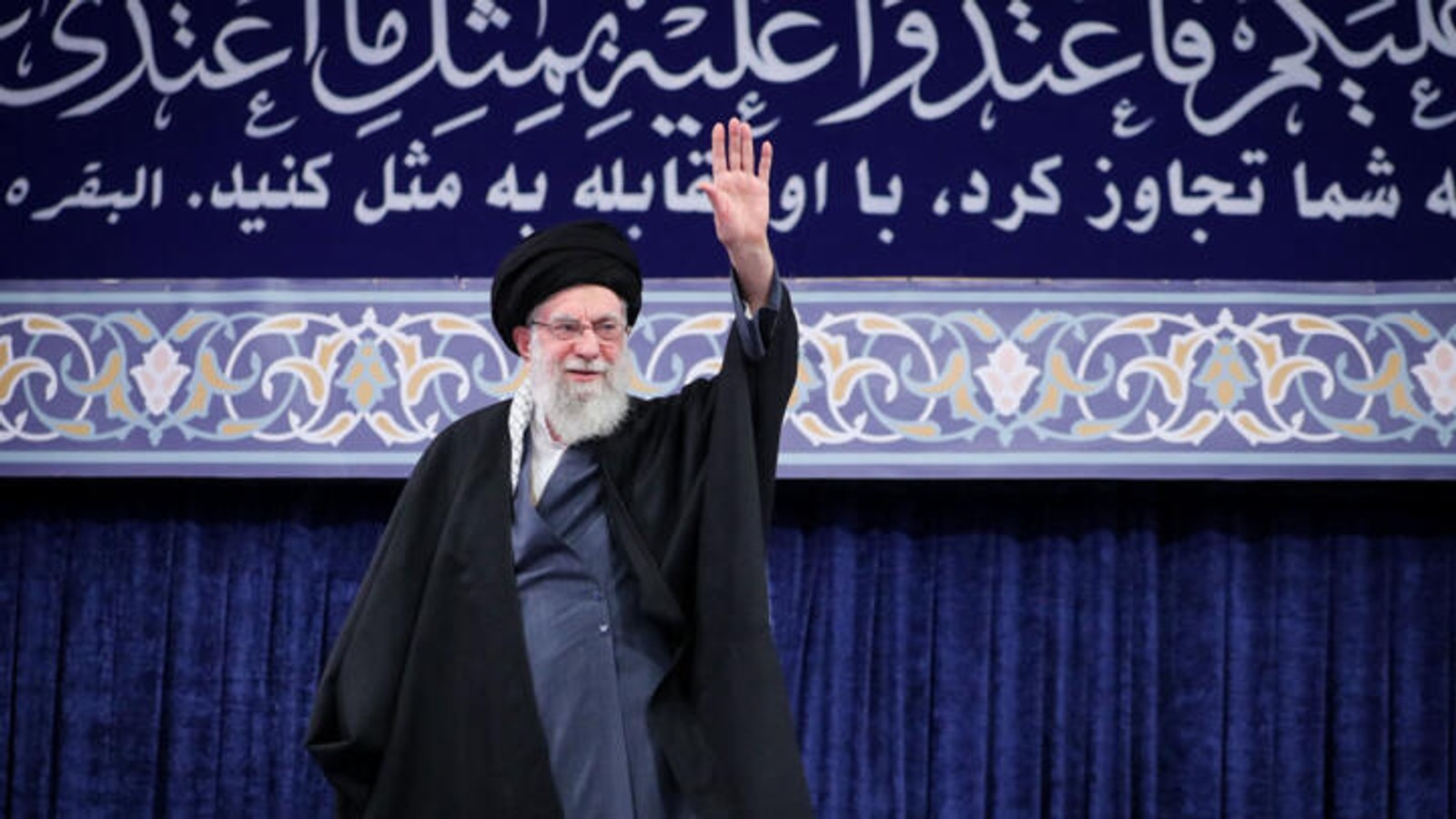
The West loves a simple story. Good versus evil. Democracy versus dictatorship. And when it comes to Ayatollah Khomeini, the narrative is always the same: a fanatical cleric seizing power and dragging Iran back to the Dark Ages. But what they conveniently forget to mention is why Khomeini resonated with millions. What drove ordinary Iranians to risk their lives for a man the Western press painted as a monster?
Let’s be clear: Khomeini was no saint. He was a ruthless pragmatist who consolidated power with an iron fist. But to understand him, you have to understand the context. The Shah, America's puppet, lived like a king while most Iranians struggled to survive. His secret police, the SAVAK, tortured and murdered dissidents with impunity. The oil wealth, Iran's birthright, flowed into the pockets of a corrupt elite, leaving the people with crumbs.
The Shah, America's puppet, lived like a king while most Iranians struggled to survive.
Khomeini, from his exile, tapped into that rage, that simmering resentment against injustice. He spoke of dignity, of self-determination, of an Islam that served the poor, not the powerful. And that message, however flawed in its execution, resonated deeply with a population sick of being treated as pawns in a global game. The promise of Islamic governance offered a sense of agency to those who felt powerless in the face of Western imperialism and its local enforcers.
Of course, the revolution devoured its own. The idealistic fervor soon gave way to purges, executions, and the suppression of dissent. The promise of a just society remains unfulfilled. But even in its failures, the Iranian Revolution offers a stark lesson: you cannot ignore the grievances of the people. You cannot prop up corrupt regimes with petrodollars and expect the anger to simply disappear.
So, why does the West demonize Khomeini? Because he dared to challenge the established order. Because he dared to say no to American hegemony. Because he dared to imagine a world where Iran controlled its own destiny, its own resources. And that, more than any theological difference, is what truly terrifies the powers that be.
What does this mean for us here in Ireland? It means we must be wary of simplistic narratives pushed by those who benefit from the status quo. It means we must look beyond the headlines and ask: who is really being served? Who is paying the price? Because just like the Iranians under the Shah, we too are facing a system rigged against us. Our resources are being plundered, our voices are being silenced, and our future is being mortgaged to the highest bidder. The spirit of resistance, the refusal to be silenced, that's the real legacy of Khomeini. And that's a lesson we must never forget.

Founder and Editor in Chief of The Irish Bugle.