
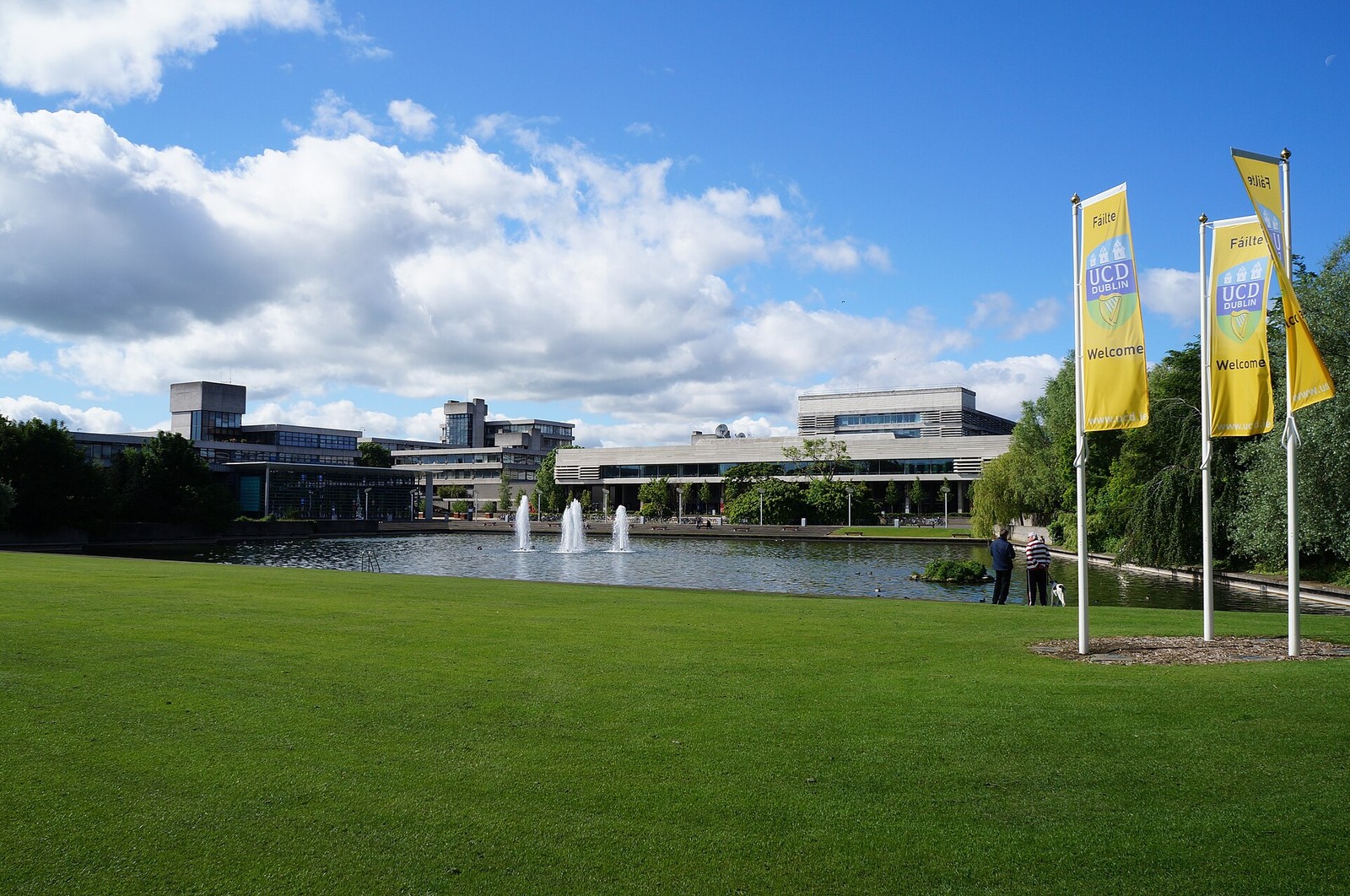
Imagine getting ready for class, worrying about exams, trying to finish up assignments on time – the usual student stuff. Then, suddenly, your world is shattered. That's what many UCD students are feeling right now after an intimate image of a fellow student was circulated without their consent.
Thousands of students walked out of lectures and labs today, gathering in a massive rally on campus. They weren't just there to protest; they were there to demand change. They're saying UCD needs to do more to protect students from sexual violence and harassment.
"It's not enough to just say they condemn it," said Sarah, a third-year student at the rally. "We need real action, real support for survivors, and a culture where this kind of thing isn't tolerated."
The protest comes in the wake of outrage over the circulation of what has been described as a "naked, bruised" image of a student. The details are disturbing, and the impact on the student community is palpable. It's not just about one image; it's about a climate of fear and vulnerability that students say UCD hasn't adequately addressed.
What does this mean for you, even if you're not a UCD student? It highlights a problem that exists on campuses across the country, and frankly, in society as a whole: how do we create environments where everyone feels safe and respected? How do we hold people accountable when they violate someone's privacy and dignity?
The students are calling for systematic change. That's not just some buzzword; it means concrete steps like better reporting mechanisms, improved support services for survivors, and comprehensive education programs to prevent sexual violence in the first place. They want UCD to take a zero-tolerance approach and send a clear message that this kind of behavior will not be tolerated.
One of the biggest hurdles is often reporting. Students often feel intimidated or unsure about how to report incidents of sexual harassment or violence. They worry about being believed, about retaliation, or about the process being too difficult and retraumatizing. The students are pushing for a streamlined, supportive, and confidential reporting system that empowers survivors to come forward.
Another key demand is better education. Not just a one-time workshop during orientation, but ongoing, comprehensive education on consent, healthy relationships, and bystander intervention. The idea is to create a culture where everyone understands their responsibilities and feels empowered to speak up when they see something wrong.
Trinity College Dublin Students' Union (TCDSU) and the Association of Medical Laboratory Scientists of Ireland (AMLCT) have issued statements in support of the UCD protest, showing the solidarity for the cause across the university system.
This isn't just a UCD problem; it's a societal problem. And these students are saying enough is enough. They're not willing to accept a culture where sexual violence is normalized or tolerated. They're demanding a safe and respectful learning environment, and they're not backing down until they get it.
They're demanding a safe and respectful learning environment, and they're not backing down until they get it.
The energy at the rally was a mix of anger, sadness, and determination. Students carried signs with slogans like "We Deserve to Feel Safe" and "Consent is Key." They chanted slogans demanding justice and accountability. It was a powerful display of collective action, fueled by a shared sense of outrage and a desire for change.
What happens next? The university administration has acknowledged the concerns raised by the students and promised to take action. But students are skeptical. They've heard promises before. They're saying they'll be watching closely to see if UCD delivers on its commitments. They're not going away until they see real, meaningful change.
This story isn't just about UCD; it's about the broader fight for a safer, more equitable society. It's about holding institutions accountable and empowering individuals to speak up against injustice. It's about creating a world where everyone feels safe and respected, regardless of their gender, sexual orientation, or background. And that's something that affects all of us.

Founder and Editor in Chief of The Irish Bugle.