
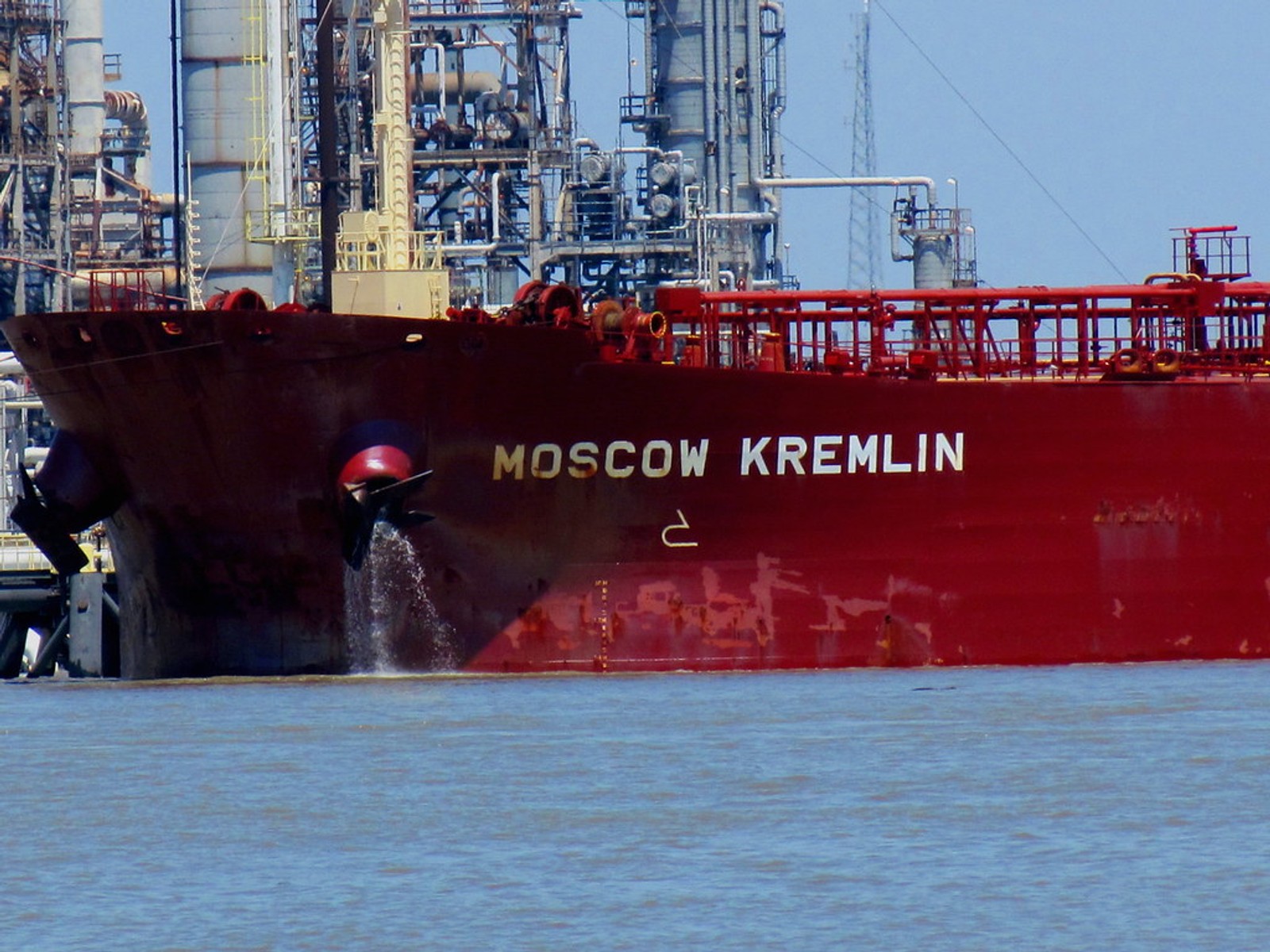
The sound you hear isn't the gentle lapping of waves on the Cuban shore, but the agonizing groan of American foreign policy crumbling. Despite blustering threats and a decades-long de facto fuel blockade against the island nation, a Russian oil tanker is reportedly steaming towards Cuba, and, astonishingly, the US seems to be letting it happen.
Remember the tough talk? The pronouncements from Washington about isolating Cuba, choking its economy, and forcing regime change? Apparently, those were just empty calories, because the US is allowing a Russian oil tanker to reach Cuba, effectively punching a hole straight through its own supposed blockade.
The move comes after weeks of escalating tension, with Cuba grappling with a severe fuel crisis, exacerbated by the US’s stranglehold on its access to energy. US President Donald Trump himself initially indicated Moscow could send oil to Cuba, before the US government seemingly changed course, declaring that Cuba couldn't take Russian oil. That tough stance, however, appears to have evaporated faster than mojitos on a Havana summer night.
"I have no problem with the Russian oil tanker reaching Cuba," Trump reportedly stated. The statement is a stunning about-face, leaving observers scrambling to understand the motivation behind this apparent capitulation.
Is this a strategic calculation? A tacit acknowledgement that the blockade has failed to achieve its objectives and has only inflicted suffering on the Cuban people? Or is it simply another example of the Trump administration’s erratic and unpredictable foreign policy, driven more by whim than by coherent strategy?
Whatever the reason, the optics are devastating. The US, for decades the self-proclaimed champion of freedom and democracy, is now exposed as a paper tiger, unable or unwilling to enforce its own declared policies. The image of a Russian tanker sailing defiantly into Havana harbor, laden with the lifeblood of the Cuban economy, is a powerful symbol of the shifting geopolitical landscape.
And let's not forget the human cost of this charade. While Washington plays its geopolitical games, ordinary Cubans have been struggling to cope with chronic fuel shortages, impacting everything from transportation to electricity generation. The US blockade, presented as a tool to pressure the Cuban government, has instead become a weapon of collective punishment, targeting the most vulnerable members of society.
The situation begs the question: what was the point of it all? Decades of economic warfare, diplomatic isolation, and relentless propaganda, all for what? To ultimately stand aside and watch as Russia, a nation increasingly assertive on the world stage, steps in to fill the void?
This isn't just about oil; it's about influence. By allowing Russia to prop up the Cuban economy, the US is effectively ceding ground to a rival power, opening the door to increased Russian involvement in the region. The long-term consequences of this decision could be far-reaching, potentially undermining US interests and destabilizing the already volatile political landscape of Latin America.
So, what now? Will the US double down on its failed policies, seeking new and even more draconian measures to punish Cuba? Or will it finally acknowledge the futility of the blockade and embrace a new approach based on dialogue, engagement, and mutual respect? The answer remains to be seen. But one thing is clear: the arrival of that Russian oil tanker marks a turning point, a moment of truth that exposes the hollowness of American rhetoric and the fragility of its grip on power. The game is changing, and the US is playing catch-up. The question is, can it adapt before it’s too late?

Founder and Editor in Chief of The Irish Bugle.