
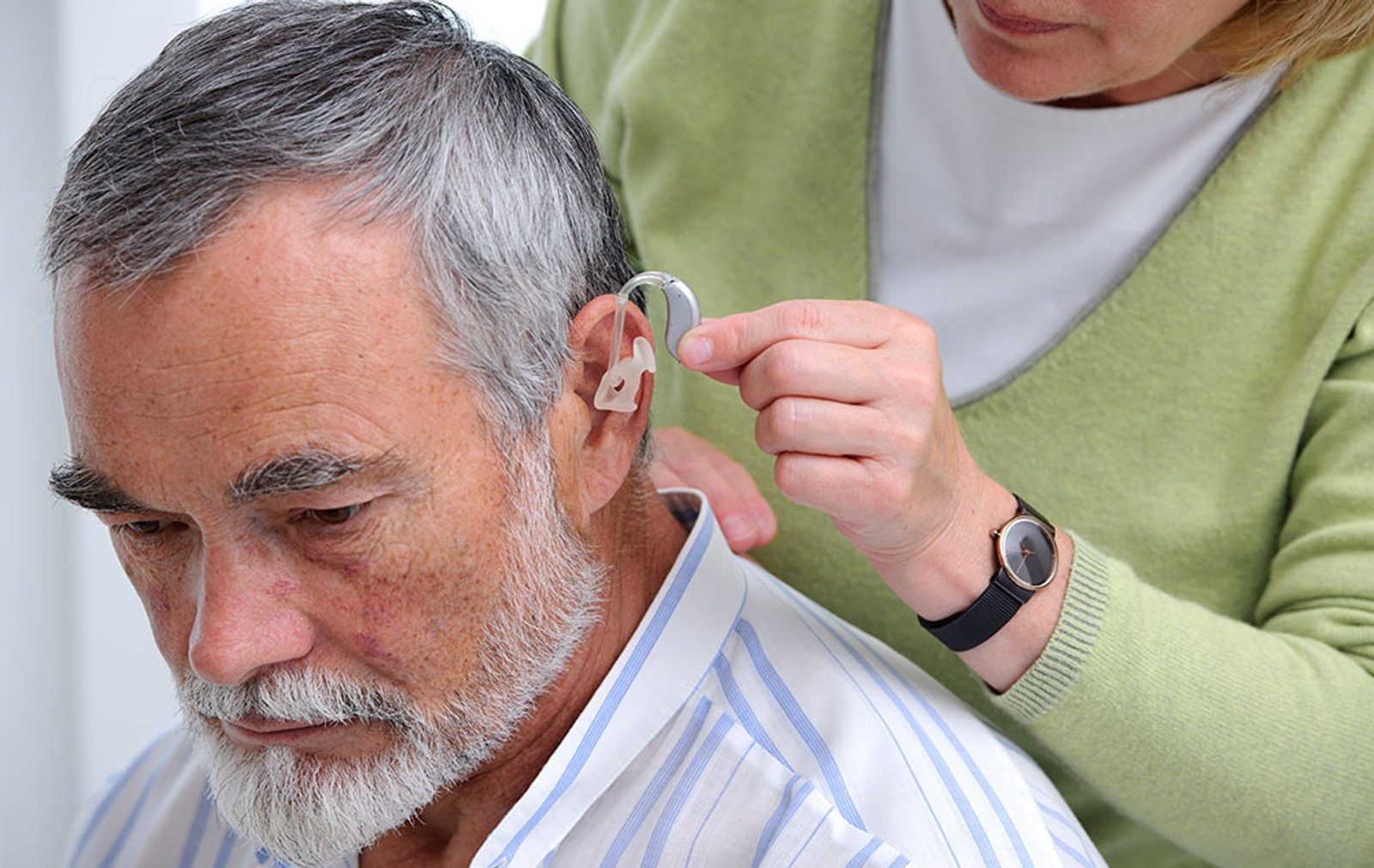
Imagine working hard, playing by the rules, and then getting hit with a €10,000 bill just to hear. That's the reality for one Deaf couple in Ireland who are speaking out about the financial burden of hearing aids.
For this couple, who are both employed, moving off disability allowance seemed like the right step. But now they feel penalized for their hard work. They’re facing a massive bill for hearing aids, essential devices that most of us take for granted.
It feels like we’re being punished for trying to be independent.
Their story highlights a problem many Deaf adults face: the staggering cost of hearing aids and the limited support available, especially for those who are employed.
The Cost of Hearing
Let's break down why this matters. Hearing aids aren't like glasses; they're sophisticated pieces of technology that require regular maintenance and eventual replacement. And they don't come cheap. The average cost for a pair can easily run into the thousands of euros. For many families, that's a car repair, a year's worth of groceries, or a big chunk of rent.
Hearing Aid Bill
The Irish health system, like many others, offers some support for medical devices. But the level of support often doesn't cover the full cost of hearing aids, leaving individuals and families to shoulder a significant financial burden. And, crucially, the amount of support can be affected by your income level. So, in effect, the more you earn, the less help you get – creating a situation where people are discouraged from working or penalized for their success.
A Systemic Problem
This isn't just about one couple; it's a symptom of a larger problem. Almost 14,000 children in Ireland are currently waiting for hearing assessments. That backlog means delays in diagnosis, treatment, and access to vital support services. And while children are waiting, adults are struggling to afford the tools they need to participate fully in society.
Children Waiting for Hearing Assessments
Think about what it means to not have access to proper hearing aids. It's not just about missing conversations. It's about struggling at work, feeling isolated from friends and family, and facing barriers to education and social activities. It's about a diminished quality of life.
The Deaf community has long advocated for greater accessibility and affordability of hearing healthcare. They argue that access to hearing aids should be viewed as a basic human right, not a luxury. They point to other countries where hearing aids are more heavily subsidized or provided free of charge.
What Can Be Done?
Advocates are calling for increased government funding for hearing healthcare, a review of the eligibility criteria for financial assistance, and greater awareness of the challenges faced by Deaf and hard-of-hearing individuals. They want a system that supports people, regardless of their employment status, and ensures that everyone has the opportunity to live a full and productive life.
This isn’t just a story about hearing aids; it’s a story about fairness, opportunity, and the value we place on the contributions of all members of our society. It's about ensuring that people aren't penalized for working hard and trying to build a better life for themselves and their families. It's about recognizing that access to essential healthcare isn't a privilege, it's a right.

Founder and Editor in Chief of The Irish Bugle.