
The calls are growing louder, the pleas more desperate. Another winter, another energy crisis, and the same tired solution bandied about: extend the fuel allowance. Yes, a representative body for one-parent families is demanding action, spurred by the inevitable surge in energy bills. The Labour Party, ever eager to capitalise on societal woes, has echoed the sentiment. On March 10th, 2026, they joined the chorus, urging the Government to fling another lifeline to households struggling to keep the lights on. But isn't it time we stopped treating the symptoms and started addressing the disease?
The fuel allowance, that annual handout designed to stave off hypothermia for the most vulnerable, is a sticking plaster on a gaping wound. It's a temporary reprieve in a system rigged against ordinary people. It does nothing to tackle the root causes of energy poverty: our reliance on volatile global markets, the stranglehold of energy corporations, and the abject failure of successive governments to invest in sustainable, affordable alternatives.
The fuel allowance...is a sticking plaster on a gaping wound.
We're told that extending the fuel allowance is a compassionate response to rising energy prices. But what is compassionate about perpetuating a system where people are forced to rely on government handouts just to survive? What is compassionate about condemning future generations to a planet ravaged by climate change, fueled by our continued dependence on fossil fuels? Compassion demands a fundamental shift in our energy policy, not a short-term fix that kicks the can down the road.
The Government, predictably, remains tight-lipped. A document released on March 4th, 2026, outlining their energy strategy is as vague and non-committal as you'd expect from a political establishment more concerned with appeasing corporate interests than serving the needs of the people. It's filled with platitudes about “sustainable development” and “energy efficiency,” but devoid of any concrete plans to break free from the shackles of the global energy market.
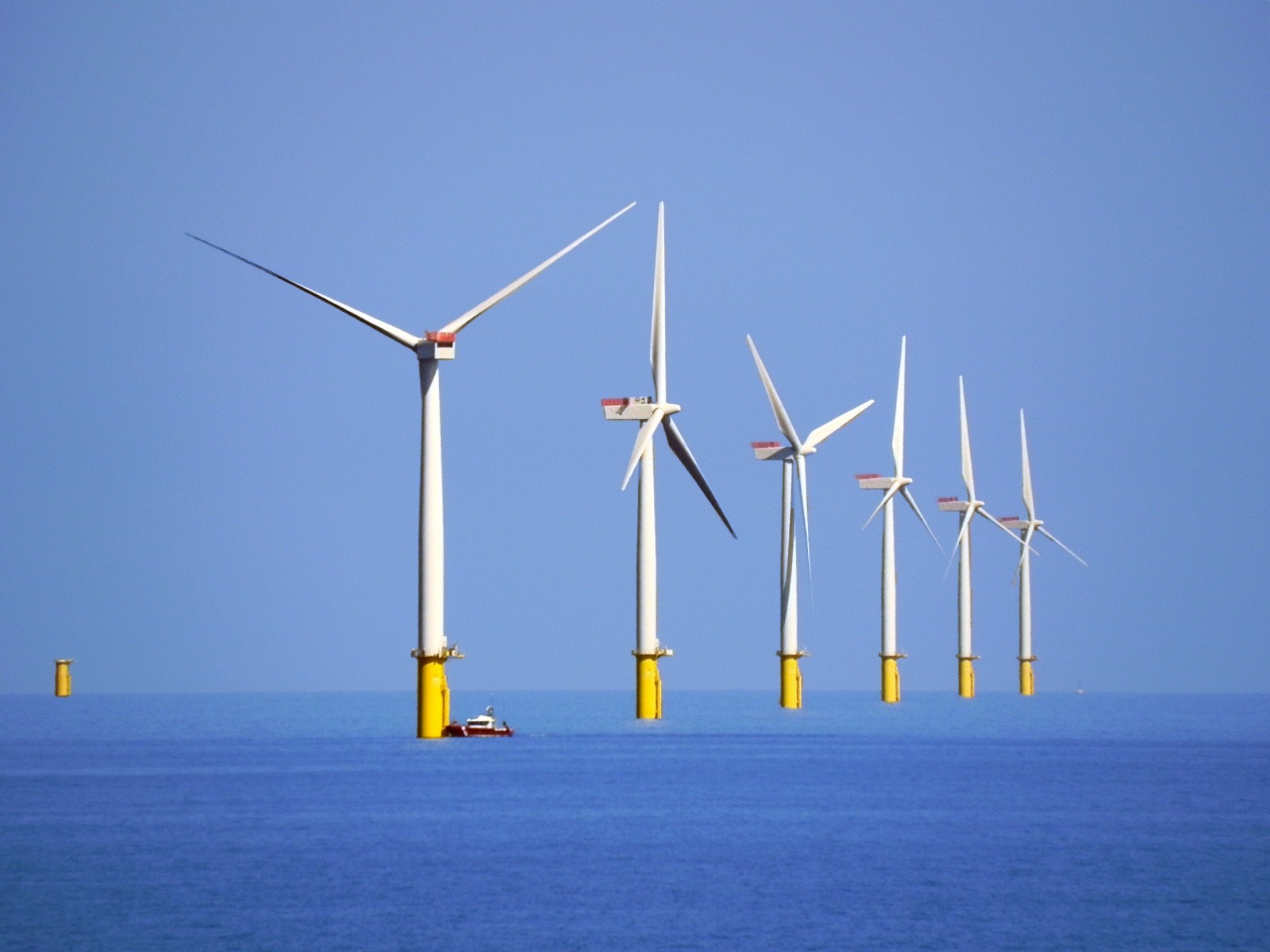
Instead of throwing money at the problem, why not invest in truly transformative solutions? Why not prioritise the development of domestic renewable energy sources, creating jobs and boosting our energy independence? Why not explore the potential of nuclear power, a controversial but undeniably efficient source of energy that could significantly reduce our carbon footprint?
The knee-jerk reaction is always to extend the fuel allowance. We see the headlines – RTE reported on March 10th, 2026, the call for the Government to extend the fuel allowance, because of the increase in energy prices. It’s an easy headline. It’s easy politics. It looks like action. But it’s not.
The Labour Party’s call for a fuel allowance extension to protect households, also made on March 10th, 2026, is equally predictable. They offer no real alternative, no long-term vision. They simply regurgitate the same tired solutions that have failed to address the underlying issues. They’re playing politics with people’s lives, using their suffering as a springboard for their own political ambitions.
Even more important, what about the people who just miss the cut-off? The people who are *just* above the income threshold but are still struggling to pay their bills? Where is their lifeline? The fuel allowance creates an arbitrary divide, leaving countless families stranded just outside the circle of support. It is a system designed to fail, to create dependency, and to perpetuate inequality.
The focus on subsidies also ignores the fundamental unfairness of the energy market itself. Energy companies are raking in obscene profits while ordinary people are forced to choose between heating their homes and feeding their families. These are the same corporations that have spent decades lobbying against climate action, funding disinformation campaigns, and obstructing the transition to a sustainable energy future.
Why are we subsidizing energy consumption when we should be regulating energy companies? Why are we bailing out households when we should be holding corporations accountable? The answer, of course, is that our political system is rotten to the core, corrupted by corporate money and beholden to vested interests.
There is nothing inevitable about energy poverty. It is a political choice, a consequence of decades of mismanagement, short-sightedness, and corporate greed. We can choose a different path. We can invest in sustainable energy, regulate energy companies, and create a fairer, more just energy system.
But it requires more than just extending the fuel allowance. It requires a fundamental shift in our thinking, a willingness to challenge the status quo, and a commitment to building a truly sustainable future. We need to stop treating energy as a commodity to be bought and sold on the global market and start treating it as a fundamental human right.
This means taking energy production back into public ownership, ensuring that it is democratically controlled and managed for the benefit of all. It means investing in community-owned renewable energy projects, empowering local communities to generate their own power and create local jobs. It means retrofitting homes to make them more energy-efficient, reducing energy consumption and lowering bills. And yes, it means having a serious conversation about the role of nuclear power in our energy future.
These are not easy solutions. They require courage, vision, and a willingness to challenge the powerful interests that profit from the current system. But they are the only solutions that will truly address the root causes of energy poverty and create a sustainable energy future for all.
The question is, are we brave enough to embrace them? Are we willing to break free from the shackles of the past and build a better future? Or will we continue to cling to the same tired solutions, patching up a broken system while the planet burns and ordinary people suffer? The answer, as always, lies with us. It’s time to put down our phones, get angry, and get organized. The fight for a sustainable, affordable, and just energy future has only just begun.

Founder and Editor in Chief of The Irish Bugle.