
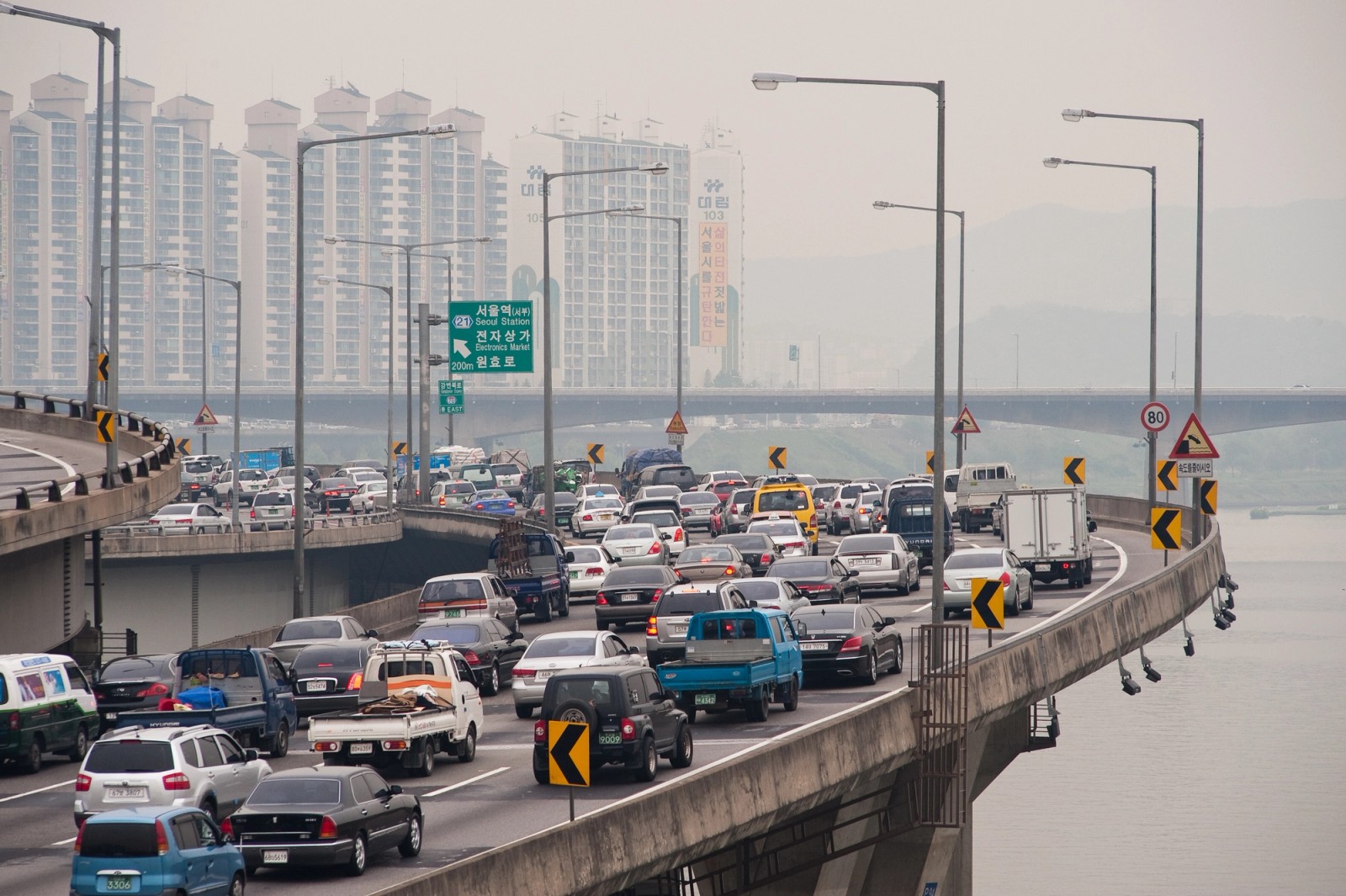
South Korea is staring down the barrel of a petrol crisis, and the solution being floated is straight out of a dystopian novel: nationwide driving restrictions. For the first time in 35 years, Seoul is seriously considering telling its citizens they can't drive whenever they please. Why? Soaring oil prices, a potential shortage, and a stark reminder of our collective addiction to fossil fuels.
Korean Air, feeling the pinch of spiraling fuel costs, has already shifted into emergency mode. While the specifics are scarce, "emergency mode" for an airline rarely involves complimentary peanuts. It's about cutting costs, conserving fuel, and bracing for turbulence. The airline's woes are a symptom of a larger disease: a global economy teetering on its oil-soaked crutches.
"emergency mode" for an airline rarely involves complimentary peanuts. It's about cutting costs, conserving fuel, and bracing for turbulence.
But South Korea's situation isn't just about economics; it's about vulnerability. A nation heavily reliant on imported oil, particularly from the Middle East, finds itself exposed to the whims of global markets and geopolitical instability. As South Korea's Lee stated, "more active response needed on energy situation". This "more active response" might mean driving bans if oil prices hit $120 a barrel, a threshold that feels increasingly within reach.
per barrel
The irony, of course, is that the knee-jerk reaction to a fossil fuel crisis is often…more fossil fuels. After the dust settles on current global conflicts, expect some nations to double down on oil and gas production, patting themselves on the back for "increasing stockpiles." It's a short-sighted strategy, like treating a gunshot wound with a cigarette. It addresses the immediate pain but ignores the underlying disease.
South Korea might seem like an unlikely harbinger of fossil fuel doom. It's a technological powerhouse, a land of innovation. But even technological prowess can't conjure oil out of thin air. The nation's reliance on imported fuel, a legacy of its rapid industrialization, has created a precarious dependency. This isn't just a South Korean problem; it's a global one. We're all chained to the same oil tanker, and it's running on fumes.
The allure of fossil fuels is undeniable. They're relatively cheap (when supply chains aren't collapsing), energy-dense, and readily available. They powered the industrial revolution and fueled unprecedented economic growth. But that growth came at a steep price: a planet choking on carbon emissions, ecosystems collapsing, and societies increasingly vulnerable to volatile energy markets.
The driving restrictions being considered in South Korea are a stark warning. They're a glimpse into a future where access to fuel is no longer a given, where governments ration resources, and where the freedom of movement is curtailed by the limits of our planet. It's a future we can avoid, but only if we break free from our addiction to fossil fuels.
The solution isn't more drilling, more pipelines, or more subsidies for oil companies. It's a radical shift towards renewable energy, a massive investment in sustainable transportation, and a fundamental rethinking of our energy consumption habits. It's about building a future where energy independence isn't a pipe dream, but a reality. It's about ensuring that the next generation doesn't inherit a world where driving bans are the new normal. It's a difficult path, but it's the only one that leads to a sustainable future. South Korea's petrol panic should be a wake-up call. The future is not fossil fuels. The future is renewable, resilient, and within our grasp, if we dare to seize it.

Founder and Editor in Chief of The Irish Bugle.