
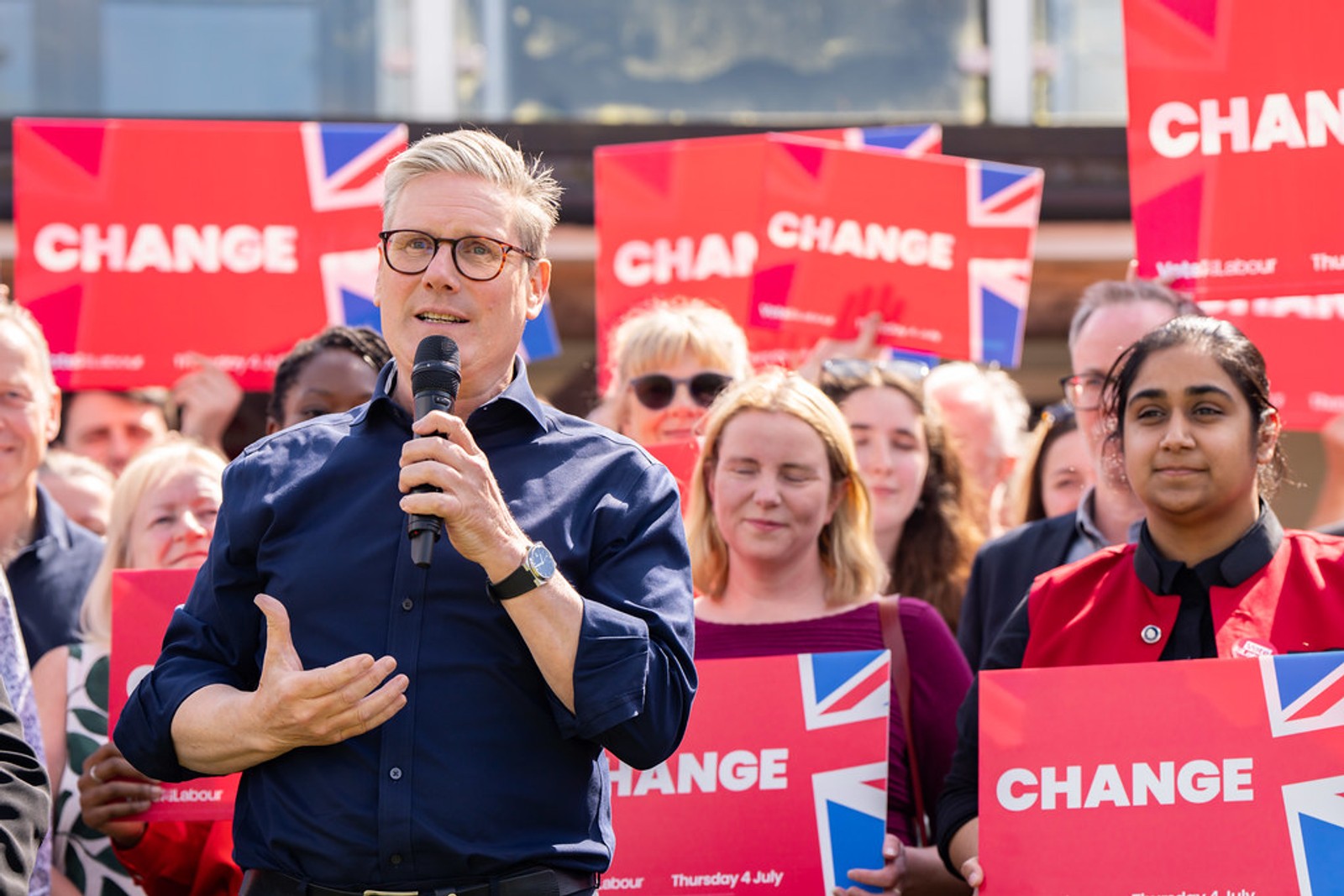
Polls have opened in Makerfield, a corner of northwest England now thrust into the glaring, distorted spotlight of British political theatre. This isn't just another local ballot; we are told this by-election could be one of the most consequential in British political history. It may even decide Britain’s next Prime Minister. The hype machine is in full, frantic motion, spinning a narrative of unprecedented national import around a single constituency contest.
Political parties are throwing everything they have at Makerfield, engaged in a desperate, last-minute battle for votes. The air is thick with manufactured urgency, a desperate scramble for relevance in a system increasingly detached from the lives of ordinary people. This is the 2026 Makerfield by-election, and its significance, we are assured, extends far beyond the local parliamentary seat. But what exactly is going on here, beneath the frantic headlines and the grand pronouncements?
Deconstructing the 'Kingmaker' Narrative
The official story, disseminated by the usual suspects, frames Makerfield as a kingmaker, a crucible where the future leadership of the country will be forged. This is a powerful, seductive narrative, designed to make citizens believe that their individual vote in this specific, local race holds the key to national destiny.
It’s a convenient distraction, a beautifully wrapped parcel of political drama that serves to obscure the deeper, more systemic rot in the Westminster establishment.
Who benefits from this manufactured majesty? Certainly not the working-class communities of Makerfield, whose very real struggles are reduced to a backdrop for elite power games.
The Burnham Conundrum: A Case Study in Power Consolidation
Enter Andy Burnham, the Mayor, now eyeing the Makerfield seat. His potential candidacy immediately raises a crucial, uncomfortable question: can a mayor simultaneously serve as an MP?
This isn't just a procedural nitpick; it’s a glaring symptom of the political class’s contempt for clear governance and accountability. The very idea that a single individual could hold two such significant, demanding roles speaks volumes about the priorities of those seeking power. Is this about dedicated representation for Makerfield, or is it about consolidating power and influence for a select few? The answer hangs heavy in the air, thick with the stench of political ambition.
Distraction from Real Issues
We are being asked to believe that the fate of the nation hinges on this single contest, a narrative amplified by the endless churn of the news cycle. Yet, while the pundits pontificate on the national implications, the very real human cost of policy failures, economic inequality, and social injustice continues to mount.
The relentless focus on who might be crowned the next Prime Minister from the ashes of a by-election diverts attention from the very people who need their voices heard most.
Makerfield, like countless other communities across Britain and Ireland, grapples with the fallout of decisions made by those who rarely, if ever, experience their daily realities. This isn't academic analysis; it’s a call to pay attention, to get angry, and to get organized.
The Media's Role in Amplifying the Spectacle
The mainstream press, always eager for a spectacle, has dutifully played its part. New polling data concerning Burnham, Makerfield, and the Labour party have been released, feeding the frenzy. Polls, often presented as objective truth, are in reality potent tools for shaping public perception and manipulating narratives. They can create momentum, demoralise opponents, and frame the entire debate around pre-determined outcomes, rather than genuine, grassroots concerns. We are not just observing a by-election; we are witnessing a carefully orchestrated campaign to define its meaning, its stakes, and ultimately, its usefulness to the established order.
The Illusion of Choice: A Theatre of Power
The '2026 Makerfield by-election' is not merely a democratic exercise; it is a meticulously crafted theatre of power. Every speech, every doorstep visit, every carefully leaked poll result is part of a larger, national strategy to solidify one faction’s control and diminish another’s. While the political class obsesses over who will be next to sit at the top of the greasy pole, the essential questions of justice, equity, and genuine representation are shunted aside.
This is the illusion of choice, the spectacle of democracy at its most cynical.
The real significance of the Makerfield by-election does not lie in its potential to crown a new Prime Minister, but in its stark illustration of how our political system prioritises manufactured drama over substantive change. It highlights the vast disconnect between the concerns of the political elite and the daily struggles of those they claim to represent. We are urged to invest our hopes in this single, high-stakes contest, to believe that a change at the top will magically trickle down to improve lives. This is a lie.
Beyond the Spectacle: Building Real Power
The true power lies not in the machinations of Westminster, but in the collective action of ordinary people. The Makerfield by-election, stripped of its manufactured majesty, stands as a stark reminder: we must look beyond the circuses and the distractions. We must demand genuine accountability, challenge every official narrative, and build power from the ground up. The fight isn’t over; it's just beginning. The question is not who will be crowned, but what kind of system we will build when we finally dismantle the stage upon which these farcical dramas play out.

Founder and Editor in Chief of The Irish Bugle.